
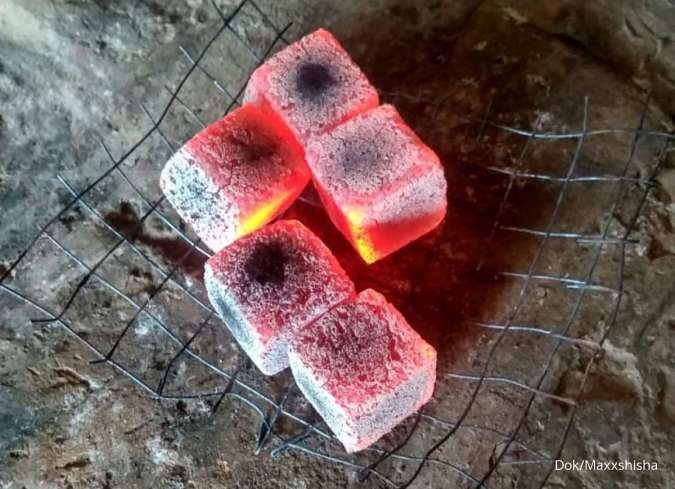
Briquette coconut – As concerns over climate change continue to grow, more and more people are turning to sustainable and eco-friendly fuel sources. One such source that has been gaining popularity in recent years is briquette coconut.
Briquette coconut is a type of fuel made from compressed coconut shells. The process of making briquette coconut involves first collecting discarded coconut shells, which are then cleaned, dried, and ground into a fine powder. This powder is then mixed with a binding agent, such as cassava starch or corn starch, and compressed into briquettes.
There are many benefits to using briquette coconut as a fuel source. FIt is, first and foremost, a renewable resource. Coconut shells are a byproduct of the coconut industry, and are often discarded as waste. By turning these shells into fuel, we are able to make use of a resource that would otherwise go to waste.
Alternative Options to Firewood Charcoal for Renewable Sources
Briquette coconut is also a more sustainable option than traditional wood charcoal, which is often produced by cutting down trees. Deforestation is a major contributor to climate change, and using briquette coconut instead of wood charcoal can help to reduce the impact of deforestation.
In addition, briquette coconut burns cleaner than wood charcoal, producing less smoke and fewer harmful emissions. This makes it a healthier and more environmentally-friendly option for cooking and heating. Another benefit of briquette coconut is that it burns longer and hotter than wood charcoal, meaning that it can be more efficient and cost-effective. It also produces less ash than wood charcoal, which makes it easier to clean up after use.
Briquette coconut can be used in a variety of settings, including in households for cooking and heating, and in industries such as brick-making and metallurgy. It can also be used as a substitute for traditional charcoal in barbecuing and grilling. The use of briquette coconut as a fuel source is not without its challenges, however. One issue is the availability of the raw materials. While coconut shells are widely available in many parts of the world, they may not be readily accessible in all regions. This can make the production of briquette coconut more difficult and costly in some areas.
Challenges of Briquette Coconut in Indonesia
Another challenge is the need for proper storage and handling of briquette coconut. Like other types of fuel, briquette coconut can pose a fire hazard if not stored and handled properly. Despite these challenges, the benefits of briquette coconut as a sustainable and eco-friendly fuel source make it a promising option for the future. With the growing demand for renewable energy and sustainable products, briquette coconut has the potential to play an important role in reducing our impact on the environment and mitigating the effects of climate change.
Finally, briquette coconut is a renewable, sustainable, and environmentally beneficial fuel source that has several advantages over typical wood charcoal wood charcoal. While there are some challenges to its production and use, the potential benefits make it a promising option for the future. As we continue to look for ways to reduce our impact on the environment and address climate change, briquette coconut is an option that should not be overlooked.
Maybe you like to read the following article Controlling Soil Abrasion in River Stream and Shorelines Using Coir Roll Matting