
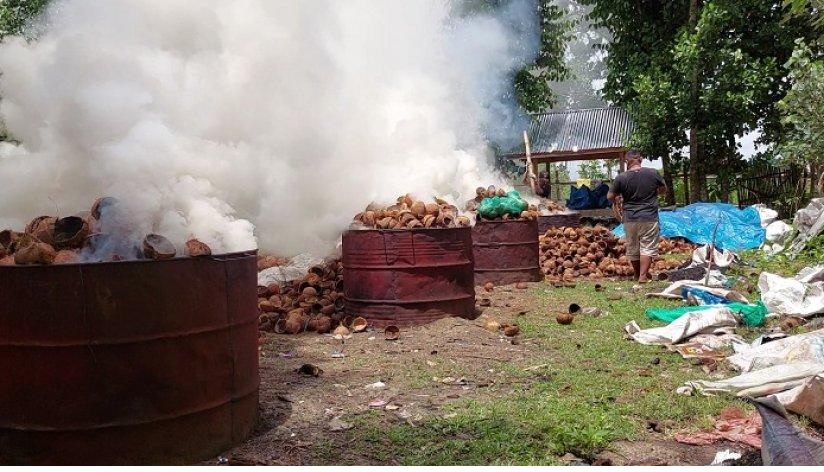
Agricultural waste briquettes are biomass fuels from agricultural waste such as rice husks, straws, corn stalks, and coconut husks. These materials are compressed under high pressure into dense briquettes that can be used as an energy source.
One of the main advantages of agricultural waste briquettes is that they are a sustainable and renewable energy source. Instead of burning fossil fuels, which release carbon dioxide into the atmosphere and contribute to climate change, agricultural waste briquettes are made from waste that would otherwise be thrown away or incinerated.
In addition to environmental benefits, agricultural waste briquettes also have economic benefits. Many developing countries have large amounts of agricultural waste that can be used to make briquettes. Farmers and rural communities can generate additional income and create new economic opportunities by turning this waste into a valuable commodity.
The Process of Producing Agricultural Waste Briquettes
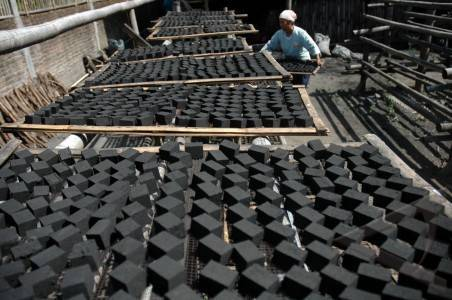
The process of producing briquettes from agricultural waste includes several stages. First, the raw material is collected and transported to the briquette plant. The materials are then cleaned and treated to remove impurities such as stones or dirt. The materials are then crushed and dried to reduce their moisture content. Finally, the materials are pressed under high pressure to form finished briquettes.
One of the problems associated with producing briquettes from agricultural waste is the need for specialized equipment and technical knowledge. However, many organizations and programs are working to address these issues by providing training and support to briquette manufacturers.
Overall, agricultural waste briquettes can be an essential renewable energy source and a valuable economic opportunity for farmers and rural communities. As the demand for sustainable and renewable energy sources continues to grow, we can expect further investment in the production and use of agricultural waste briquettes.
Conclusion
The production of briquettes from agricultural waste creates a new market for farmers and rural communities to sell agricultural waste, which is usually considered waste and difficult to dispose of. Farmers and rural communities can earn additional income and expand their economic opportunities by turning this waste into valuable products. In addition, producing briquettes from agricultural waste can also create new employment opportunities, especially in rural areas where employment opportunities are limited.
In addition, using agricultural waste briquettes as a fuel source can help reduce energy costs for farmers and rural households, providing them with superior financial stability and security. Finally, agrarian waste briquettes can help local economies by establishing new firms and supply chains that support the briquette manufacturing process.
You may like to read the article about The Coir Geotextiles Uses and the History Behind Their Manufacture